
Why the Session Arc Has a Physical Cause, Not Just Fatigue

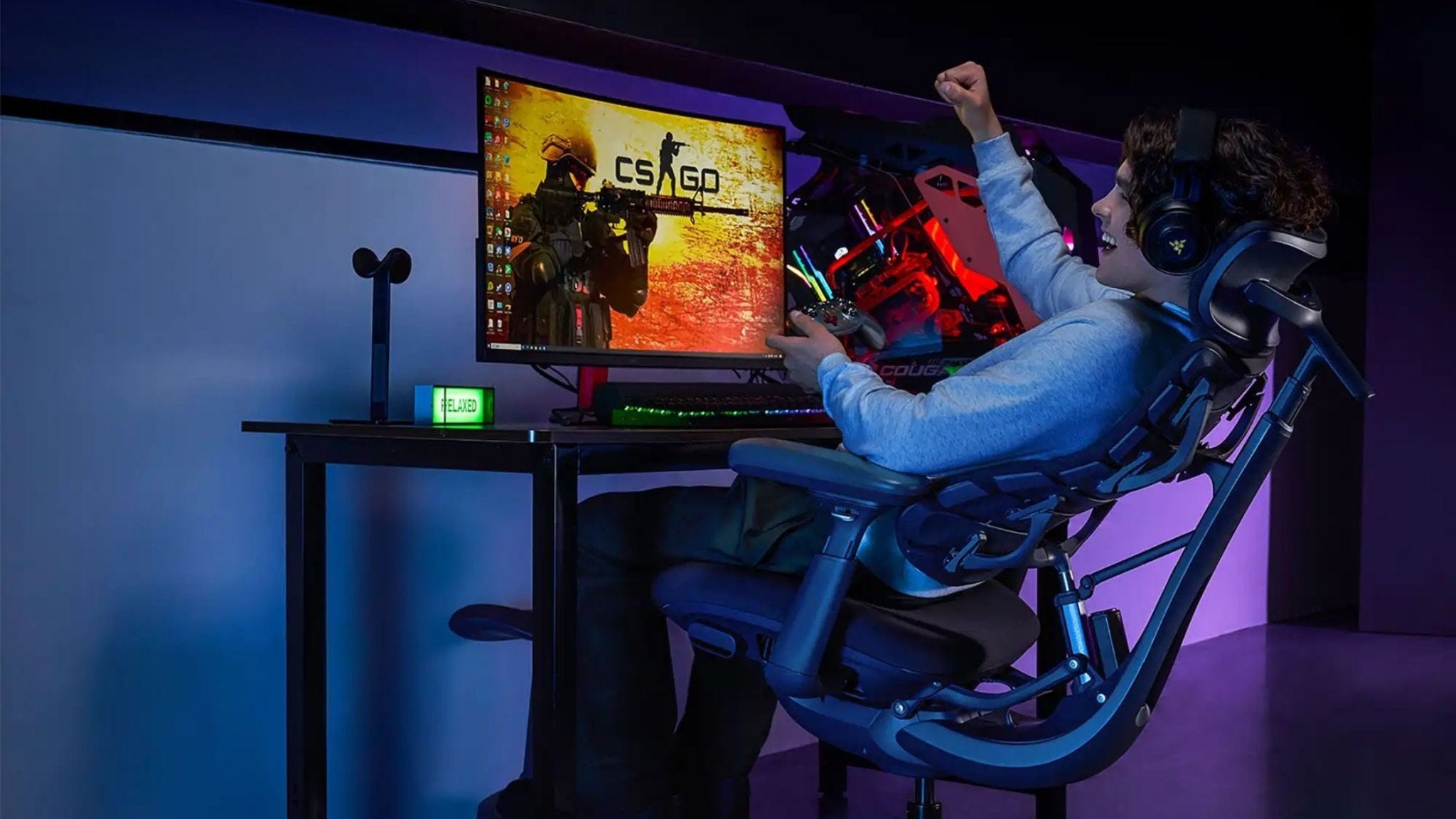
When a long session declines in the later hours, the convenient explanation is fatigue, and it is true enough to end the investigation. But fatigue is a vague cause that suggests no remedy beyond stopping, which is why the label is unhelpful: it conceals a set of specific, physical changes underneath it, each of which can be addressed. The decline across a long session is not one vague thing but several specific ones, and naming them converts an endured decline into a managed one.
An ergonomic gaming chair is directly involved in the session arc, because a large part of the physical decline is the chair, not the body. The foam compresses under continuous load and supports less, the posture drifts lower and more forward over the hours, and the circulation slows from prolonged stillness. These are concrete mechanisms, more actionable than the catch-all of tiredness, and the chair governs the largest of them. The decline is real, but most of it is physical, and most of what is physical can be reduced, which is the difference between managing the arc and merely accepting it.
Why Tiredness Is the Wrong Label
The problem with attributing the late-session decline to fatigue is that fatigue is a dead end, a cause that implies no fix beyond rest. If the decline is simply tiredness, there is nothing to do but stop, which is why the label forecloses action. Underneath it sit specific physical changes, the seat hardening, the posture slumping, the circulation slowing, each of which can be reduced.
What is experienced as tiredness is actually a bundle of these physical changes, and lumping them together as fatigue erases the distinctions and the fixes. The decline is several specific things, and naming each opens a corresponding intervention, where the vague label opens none. So tiredness is the wrong label, a dead end that hides the addressable causes. The slow, unnoticed posture change that contributes to the arc is the one players most overlook, examined in the gaming posture most players ignore.
Why the Chair Is the Largest Physical Cause
A substantial share of the physical decline is the chair, specifically the seat foam compressing and the support loosening across the session, which is entirely external to the body and entirely addressable by chair choice. The chair is not a passive backdrop to the session arc but an active contributor, declining alongside the user as the foam packs down and the seat hardens over the hours.
This is the encouraging part, because the chair is the most controllable variable. Choosing dense foam and a durable build removes a large portion of the decline at the point of purchase, before any session begins. The half of the session arc that lives in the chair is the half that can be fixed by selection, which is why the chair matters more to the late session than players expect. The effect of a declining chair on play extends to reaction time, a mechanism covered in how your gaming chair is affecting your reaction time without you knowing.
A chair built to handle long sessions without collapsing is the foundation a comfortable late session rests on, which is the subject of the best gaming chair for back pain in Australia.
Why the Body Is the Other Half
The remaining share of the physical decline is the body, which fatigues, drifts, and loses circulation over a long session. This half is less controllable than the chair but still manageable through movement and breaks. The muscles tire, the posture slumps lower and more forward, and sitting still slows the circulation, all of which can be influenced even if they cannot be eliminated.
The body half responds well to simple interventions: short breaks to move, deliberate posture resets, and standing occasionally all slow the physical decline. The body is not a fixed source of inevitable fatigue but a manageable contributor, so even the half of the arc that lives in the body is partly addressable, through the movement and resets that counter the drift and the slowing circulation. This is the part the chair cannot perform for the user, but the user can perform for themselves, and setting the chair up correctly to begin with reduces how fast the posture drifts, which is part of the function of gaming chair positioning.
Why Naming the Causes Changes the Management
Reframing the session arc as physical rather than as vague fatigue changes how a long session is managed, from passively enduring a decline to actively slowing it. The chair half is addressed by choosing well, and the body half by moving, resetting, and breaking, so the late session declines less than it would under simple acceptance of tiredness. The players who manage the physical causes have flatter session arcs, staying comfortable and playing well further into long sessions than those who push through.
The management works because the causes are physical and therefore addressable, where fatigue is not. This is the practical payoff of the reframing: it converts the session arc into something managed rather than something that happens to the user. A well-designed gaming chair handles the chair half by resisting compression and holding its support across the hours.
The durability that keeps it doing so across many sessions is why buying from a reliable ergonomic gaming chair provider matters for a chair loaded for long hours daily.
The community around gaming chairs in Australia increasingly judges a chair by how flat it keeps the session arc, because the late session is where a chair’s quality actually shows.
Why the First Hour Is the Wrong Benchmark
A consequence of the arc being physical is that the first hour is the wrong benchmark for a chair, because every chair performs at the first hour. The foam has not yet compressed, the posture has not yet drifted, and the body is fresh, so the differences between a chair that flattens the arc and one that collapses are invisible at the start. They appear only at the third or fifth hour, where the dense foam still supports and the cheap foam has packed down.
This is why judging a chair by the showroom sit, or by the first hour of use, systematically rewards the wrong properties. A plush seat wins the first hour and loses the fifth, because the plushness is soft, low-density foam that compresses early. The chair that matters for the session arc is the one still supporting late, which the first hour cannot reveal. So the correct evaluation horizon for a long-session chair is the deep session, not the opening minutes, because the arc, and the chair’s ability to flatten it, only become visible once the physical decline has had hours to develop. A buyer who tests only the first hour is measuring the one part of the session where every chair, good or poor, performs identically, which is precisely the wrong place to look for the difference that matters, since the whole point of a long-session chair is what it does once the foam, the posture, and the body have all begun to decline.
Common Mistakes
Blaming the late-session decline on tiredness. Fatigue is a vague label that hides the specific physical causes underneath, the foam compressing, the posture drifting, the circulation slowing, each of which is addressable. The label forecloses action.
Treating the decline as unavoidable. Because the causes are physical, they can be reduced, the chair half through choice and the body half through movement and breaks. The arc is something to manage, not simply endure.
Ignoring the chair’s role. A large part of the session arc is the seat foam compressing and the support loosening, which is the most controllable cause, fixable by choosing dense foam and a durable build at purchase.
Neglecting the body half. Movement, posture resets, and short breaks slow the fatigue, drift, and slowing circulation the body contributes. The body part of the arc is manageable even though it cannot be eliminated, and ignoring it leaves half the decline unaddressed.
Conclusion
The session arc has a physical cause, not just fatigue, and the distinction matters because physical causes can be addressed while vague tiredness cannot. The decline across a long session is a bundle of specific physical changes, the seat foam compressing, the posture drifting lower, the circulation slowing, each a handle the user can take hold of. Calling it all tiredness hides those handles and leaves nothing to do but accept the slump.
Reframed as physical, the arc is managed on both sides: the chair half by choosing dense foam and a durable build, and the body half by moving, resetting the posture, and taking short breaks. The chair is the largest and most controllable cause, so it is where the biggest fix lives, but the body half is addressable too. The decline is real, but most of it is physical and most of what is physical can be reduced, so the session arc becomes something actively slowed rather than passively endured, and the late hours stay closer to the early ones.
Frequently Asked Questions
Is the gaming session decline just tiredness?
No, most of it is physical. The seat foam compresses, the posture drifts lower, the circulation slows, and the muscles fatigue, each a specific, addressable change. Calling it all tiredness hides these causes and leaves nothing to do but accept the decline, which is why the label is unhelpful.
Why is blaming fatigue unhelpful?
Because fatigue is a dead end that implies no fix beyond stopping. The physical causes underneath it, foam compression, posture drift, slowing circulation, each suggest a specific action. Naming the causes opens interventions that the vague label of tiredness forecloses.
How much of the session arc is the chair?
A large part. The seat foam compressing and the support loosening over the hours are a substantial share of the decline, and they are entirely about the chair. Being the most controllable cause, the chair is where the biggest fix lives, through dense foam and a durable build chosen at purchase.
What part of the decline is my body?
The muscles fatiguing, the posture drifting lower and more forward, and the circulation slowing from prolonged stillness. This half is less controllable than the chair but still manageable through movement, posture resets, and short breaks, which slow the physical decline the body contributes.
How do I slow the session arc?
Address both halves. Choose a chair with dense foam and a durable build to slow the chair’s decline, and move, reset your posture, and take short breaks to slow your body’s. Managing the physical causes keeps the late session more comfortable than pushing through as if it were only tiredness.
Can I stop the session arc completely?
No, but you can flatten it substantially. The physical causes can be reduced but not eliminated, so a managed long session declines far less than an unmanaged one. The goal is to slow the arc on both the chair and body sides, keeping the late hours closer to the early ones, not to abolish it.